
Albany Previous Residents Era Sources
Different sources cover different parts of an Albany address timeline. Start with the current parcel account because it establishes the county, account or tax-lot identifier, situs, and legal description. Then choose a source that matches the year in question. Recorded deeds identify transfer parties and the legal description. Directories offer a dated address or household clue. Maps identify the built and street setting at their own publication date. None of those sources, alone, creates a continuous account of everyone who lived at an address.
| Source | Years it covers | Where held | What it can show |
|---|---|---|---|
| Assessment tax-lot cards | 1961 to present in the Archives inventory | Linn assessment and county records | Parcel or account continuity, assessed party, and record-period address data. |
| Deed records and indexes | Deeds 1853 to 2002; indexes from 1854; daily instruments from 1970 | Linn Clerk, State Archives inventory, microfilm or computer by era | Recorded transfer parties, dates, and legal description. |
| Albany city directories | 1878 onward; gaps 1912 to 1936 and 1942 to 1946 | City PDFs, library, or museum | A dated household, business, or address listing in the publication year. |
| Federal census | Most recently released national decennial census is 1950 | National Archives and local genealogy access points | A household snapshot by enumeration date and geographic district. |
| Albany Sanborn map | 1884, four-sheet set | Library of Congress and local-history route | Building and street fabric at the map date. |
| City permit route | Accela from November 18, 2014; earlier route before November 17, 2014 | Albany Accela or City records route | A dated permit or application lead and project context where public. |
Use the written address form from each source, including directional prefixes or suffixes. Add a working ledger with source, date range, exact address form, parcel or legal-description key, party or entry name, and whether the item is a map, index, or actual document. That makes a gap clear instead of silently filling it.
Trace Albany Previous Residents Deeds
The backward deed chain starts with land, not a surname. Confirm whether the parcel lies in Linn or Benton County, then retain the parcel identifier and legal description exactly as the property record displays them. Albany crosses both counties, so a city name, postal ZIP, or a later mailing address does not choose the recorder. For a Linn parcel, the documented path is the Clerk recording desk and the State Archives custody trail. For a Benton parcel, begin in the public Digital Research Room and obtain the matching instrument.
- Locate the current parcel in the proper county and copy the tax account, PIN or tax lot, situs, mailing destination, assessed party, and legal description.
- Ask the recorder for the most recent acquisition instrument using the legal description, parcel identifier, assessed party, or known recording date. Benton searches can be narrowed by party, document number, or date.
- Read the instrument itself. Record the grantor, grantee, recording date, document reference, and legal description. An index name hit is not a complete transfer conclusion.
- Use the prior grantee as the next grantor, while checking that the legal description or parcel connection still matches. Do not join older documents by a street address alone.
- At a record-format boundary, move to the identified book, microfilm, Clerk computer, or Archives route rather than treating an online absence as a missing record.
- Grantor and grantee
- The grantor is the party conveying an interest in a recorded instrument. The grantee is the party receiving it.
- Chain of title
- The sequence of recorded transfers traced backward through matching parties, dates, and legal descriptions.
- Legal description
- The lot, block, subdivision, or survey-based description that identifies the land. It is more durable than a formatted street address in old records.
Note: A recorded party is a document fact, not proof of a person's later address or of every household member at the property.
Albany Previous Residents County Split
For Linn County, Assessment & Taxation's account detail permits account number, name, or situs-address searching, and the Linn Planning map can locate a site by partial situs address or exact PIN or ACTNUM. The public tax-lot service separates a physical situs address from agent and mailing fields. Those distinctions matter when a past residents search begins with a tax record. A mailing destination can be a document clue, but it does not establish a later personal location.
Benton's public TaxlotOwners layer likewise separates SITEADDRESS and SITUSZIP from MAILADDR and mailing ZIP. Use it only when the Albany parcel is actually in Benton County. The Benton Digital Research Room accepts last or business name, first name, document-number year or range, recording-date range, and a percent wildcard. That county-specific index is not a substitute for a Linn recorder search.
Albany's Early Deed Trail
Albany's previous residents research often reaches earlier than a modern interface. Linn County was created in 1847, Albany became the county seat in 1851, deed records begin in 1853, and direct and indirect deed indexes begin in 1854. The Oregon State Archives Linn County inventory is the verified route for locating the relevant series and repository.
The inventory identifies daily recorded-instrument or deed indexes from 1970, public-access daily index material from 1986, and computerized recorder-era material noted from 2006. It also places the 1970 through 2005 daily-instrument run on 885 microfilm reels. Treat these as access boundaries. A computer result, an index book, a microfilm reel, and a certified instrument are not interchangeable records.
For a Linn Clerk request, the recording office publishes $4 for the first generated copy, $0.25 for an additional copy, and $3.75 for certification per document. Written requests and mail payment by check or money order are documented, and the office also provides a counter route. No emailed or faxed recording documents are accepted.
Albany Previous Residents in Directories
Albany's digitized city-directory collection is a second track for previous residents. The City reports 40 digitized directories beginning in 1878, scanned from the combined Albany Regional Museum and Albany Public Library collections. The PDFs have OCR, so an exact name, street address, business, or phrase can be searched before the page image is inspected. A listing offers a clue about the publication year, not a current result.
The City expressly identifies gaps for 1912 through 1936 and 1942 through 1946. Do not bridge those gaps with an unsupported household claim. The collection-level description supports names, addresses, some telephone numbers, and other local information; a sample-entry review was not completed. Do not assume a particular volume has spouse notation, owner marks, abbreviations, or a fixed column set without inspecting that volume.
The 1948 Albany Householders, Street & Avenue Guide is a separate address-oriented local aid. It is the strongest documented address-first publication, but it is only one year. The broader shelf, OCR workflow, and access channels are available through the Albany city directory page.
Pair Albany Directories and Census
Pairing dated directories with the decennial census keeps the household track distinct from the deed track. The most recently released national census is 1950, so it cannot provide an annual run. It is a household snapshot organized by an enumeration date and geographic district. When a directory and a census appear to agree, preserve both source dates and address forms. Agreement strengthens a time-specific lead; it still does not erase the years between them.
- Choose the directory closest to the target year, then search the exact address and relevant name variants in its OCR.
- Inspect the PDF page image and record the publication year, page, address form, and every uncertainty visible in the listing.
- Find the appropriate released census snapshot and record its enumeration date and geographic district with the household information.
- Compare both sources to the legal-description and deed trail. If the street form differs, test it against a map, plat, or directory from the same era before joining the records.
Albany's State Archives inventory also identifies local census material at Albany Regional Museum for 1849, 1860, 1870, 1881, 1905, and 1910, and at Linn County Historical Museum for several 1849 through 1910 census years. Repository coverage is useful for a specific historical question, not a guarantee of a complete address index.
Albany Previous Residents Map Context
The 1884 Library of Congress Sanborn set has four sheets catalogued as Albany, Linn County. It can clarify a building footprint, nearby street fabric, or the era of a place. It does not identify all people at an address, and it should not be extended to the Benton portion of today's city or to later street patterns. Albany Public Library and Carnegie Library also have a documented house-history route to directories, historic inventory material, maps, and planning contacts.
Albany Regional Museum research requests offer a local building and photo-research fallback when a deed, map, and directory need added context.
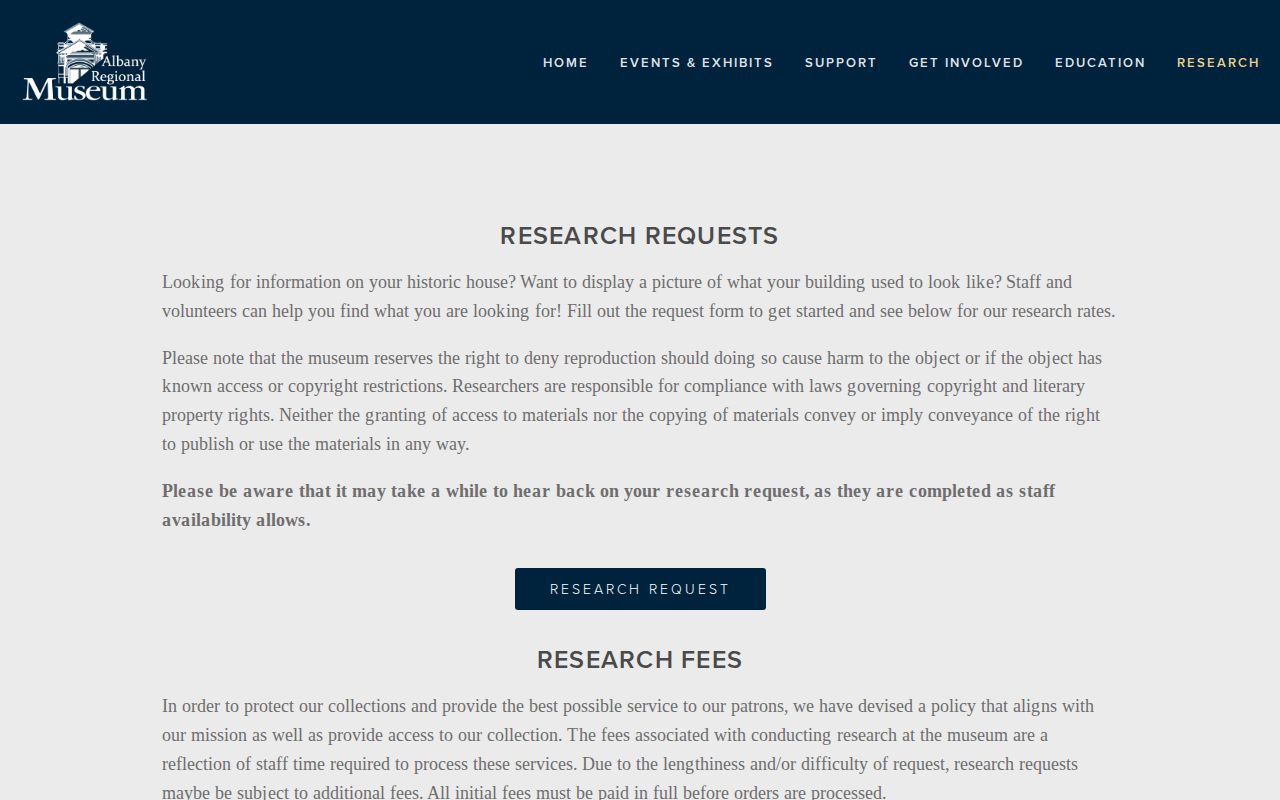
The Museum says simple volunteer research may be free for up to 30 to 60 minutes, deeper work begins at $25, and scans are listed at $0.25 per page. Ask for a source or call number and a scope estimate. Building history remains separate from a finding about who lived there before.
Albany Previous Residents Fallbacks
When online sources stop, use the channel that holds the series. Carnegie Library and Albany Regional Museum provide in-person alternatives for the city-directory collection. The Albany Public Library history portal links directories, historic newspapers, photographs, and local-history routes. The City says APL and Carnegie have Sanborn maps from 1883 to 1955 and historic-newspaper microfilm from 1859 to 1947. These are research leads that need their own date and source notes.
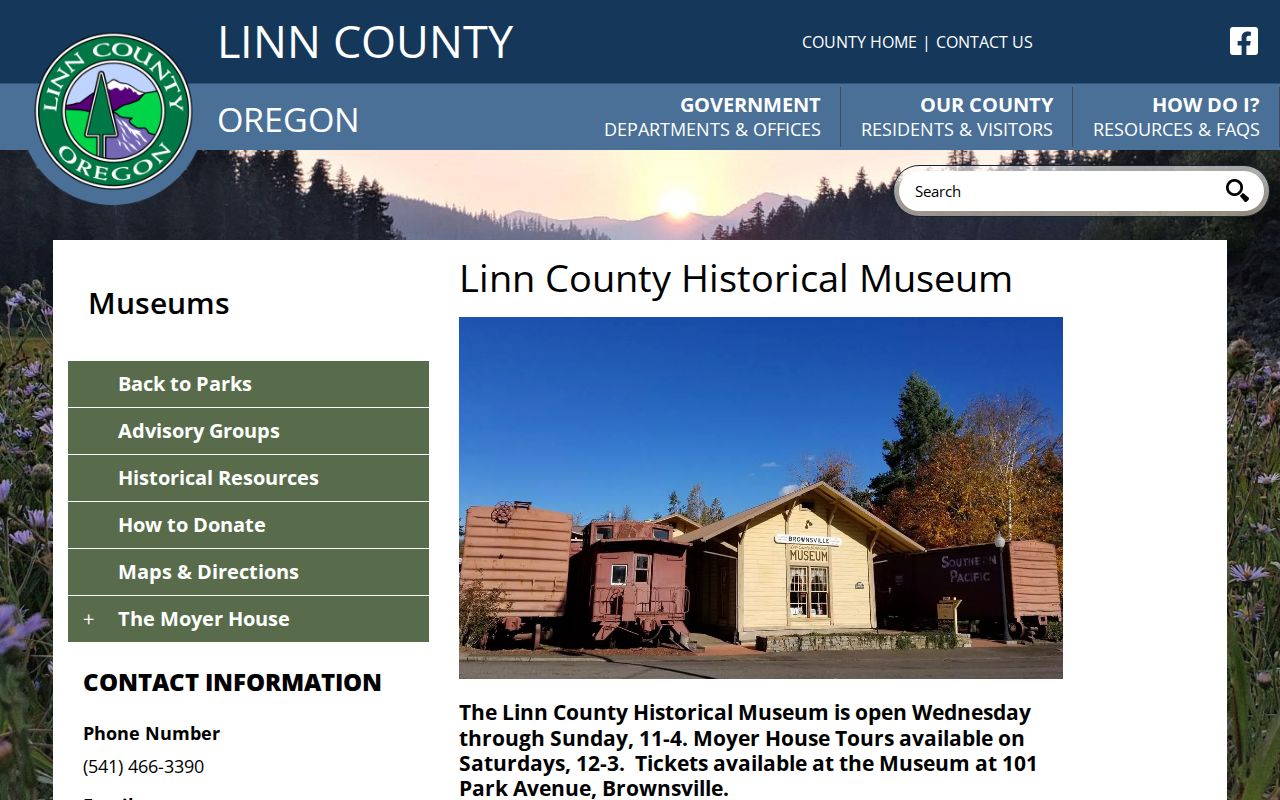
Linn County Historical Museum holds regional cemetery, donation-land-claim, census, marriage, adoption, obituary, photo, pioneer-family, and original-owner-indexed historic-resource material. Its collections can deepen a dated address trail but do not replace the recorder's legal evidence.
The Linn Genealogical Society's Tripp Reference Room at Albany Regional Museum adds directories, yearbooks, manuscripts, reference books, and public-use computers. Its stated service options include free selected Linn marriage or cemetery name lookups, $3 obituary copies, and other lookup at $1 per prepaid page. An obituary notice can be only a death or funeral notice, so corroborate it with an original source, probate material, or an eligible official record.
Note: Use a collection's staff, shelf, microfilm, or request route when the online version fails; a missing browser result does not establish a missing record.
Albany Previous Residents Limits
No official Albany-wide street-renumbering date or conversion table was verified. An address mismatch is therefore a research question, not a reason to create a citywide rule. Compare the legal description, recorded plat, historic map, and directory from the relevant year. A historic street label can be a valuable clue, but it needs address-specific support before it is tied to a present parcel.
Previous residents research is strongest for house history, family history, heirs, and local history when it preserves what each record can and cannot show. Avoid publishing unnecessary sensitive details. A death, obituary, probate, census, directory, or deed entry requires its own access and date limit, and historic material is not proof of a living person's current address.
Lawful use. Use Albany address history with care and for lawful personal research. Do not use past-resident material to stalk, harass, intimidate, or harm any person.