
Finding Albany Residents by Record
No single official list covers every Albany household. The better approach is to work from the fact already in hand. A property roll ties an assessed owner to a parcel. A court register names the parties in a public case. A dated city directory places a name or address in its publication year. Albany spans Linn and Benton counties. The county check comes first for any land, deed, tax, or court trail.
Keep a short note as the search moves along. Record the county, the exact address form, the parcel number or legal description, and the record date. Note the source as well. A note like that separates a solid match from a same-name lead. It also keeps a mailing address apart from the physical site. Remember that a public record can still be historic, incomplete, or limited to one purpose.
- Confirm whether the address belongs in Linn or Benton County with an official map or parcel layer.
- Use the county assessment route for a parcel account, situs address, and assessed-party lead.
- Take the parcel or legal description to the correct recorder for the recorded-instrument trail.
- For a public court lead, search by full name and narrow the court location and dates before treating a result as a match.
- For an earlier household, check the dated Albany directory collection and then the library, museum, or Archives route when a scan is not enough.
Note: An owner name, tax-mail destination, or directory entry proves a record relationship, not a full picture of who lives at an address.
Albany Resident Record Offices
Linn County handles most Albany research, since the city is its county seat. That control is not automatic, though. A parcel may sit just west of the county line. It may need Benton County’s recorder and assessor instead. City department material belongs to the City of Albany. Court, vital, election, property, and historical records each sit with their own custodian. The record type decides the desk.
Linn County Clerk
421 Water Avenue NE, Suite 1300
Albany, OR 97321
541-967-3829 for recording
Linn Assessment & Taxation
300 SW Fourth Avenue, Room 214
Albany, OR 97321
541-967-3808
Linn County Elections
421 Water Avenue NE, Suite 1300
Albany, OR 97321
541-967-3831 for election questions
The Clerk moved to the Water Avenue suite in 2025. Check the current office page before visiting, since older handouts may still list a former location.
Albany's Two-County Records
A city name and postal address do not pick the land-record custodian. The Oregon Blue Book lists Albany in both Linn and Benton counties. A 97321 or 97322 ZIP is a postal label, never a county line. Begin with the parcel itself. Save the county, tax-lot number, legal description, situs address, and tax-mail address. Those fields point to the right assessor and recorder route every time.
The Oregon Blue Book’s Albany profile is a quick reminder of the split. Check it before any search starts.
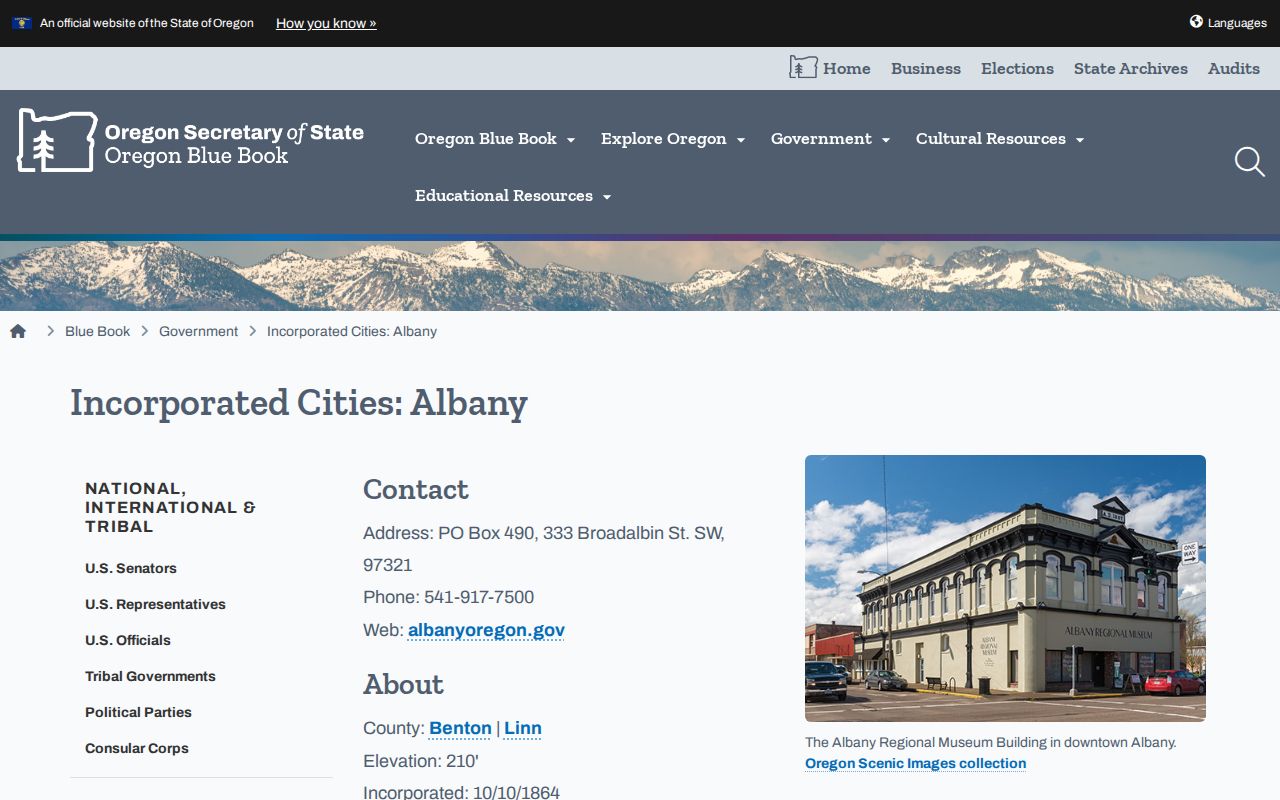
The city profile supports a county-first approach. It cannot replace the county field on the actual parcel, recorded instrument, or court matter.
For a Benton-side parcel, the public TaxlotOwners layer separates party, situs, tax-lot, and mailing fields. Benton’s Digital Research Room offers search modes by name, document number, and recording date. On the Linn side, most property work starts with Assessment & Taxation, and the Clerk can point to the right index, computer, book, microfilm, or copy route for the year in question.
Albany Parcel and Deed Trails
The Linn assessment route works as a finding aid for property ownership and tax records. The county allows public searches by account number, name, or address. The Account Detail flow starts with a public account search. It then moves to a summary report and a GIS menu. A parcel result can hand over a useful identifier. It also supplies the legal description needed for the next step. Just note that the assessed owner is not automatically every person tied to the address.
Use the Linn County Assessment & Taxation page to reach the county’s property channel.
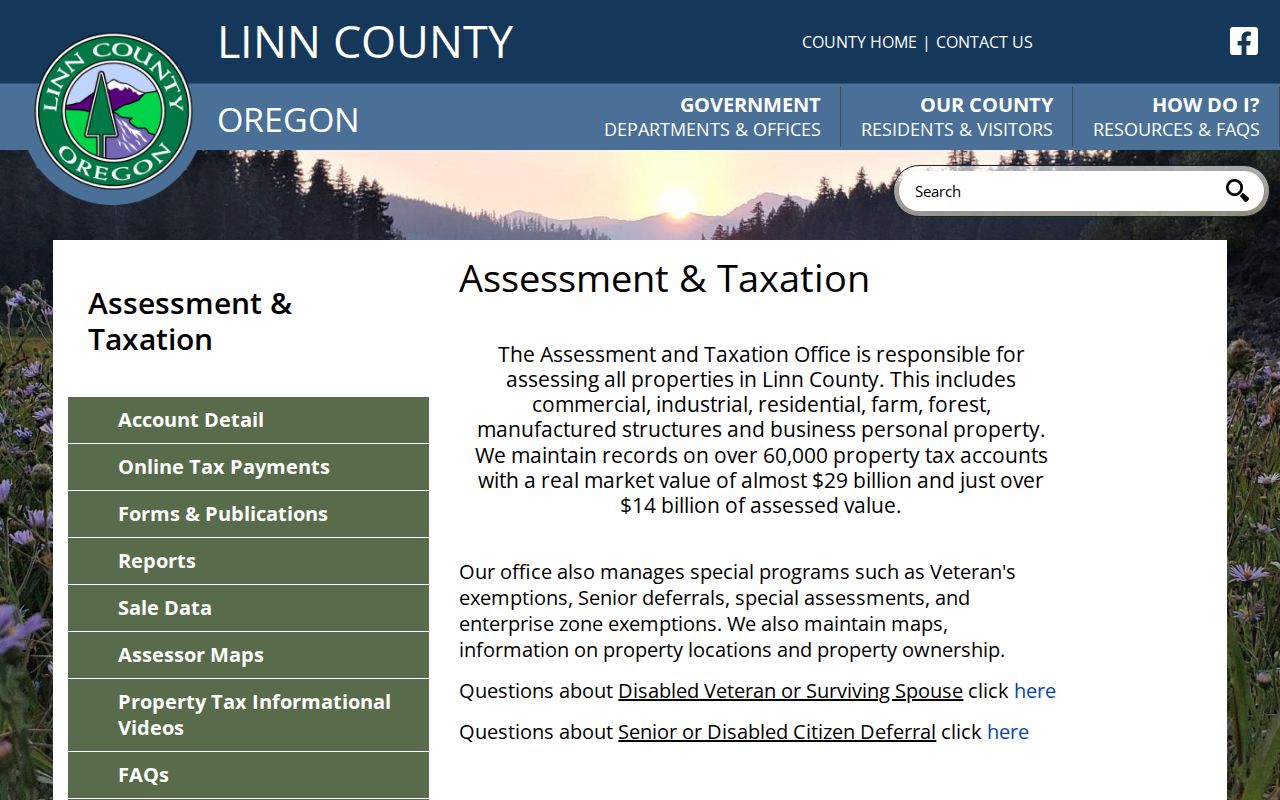
The assessment route earns its keep when it produces a parcel key. That key can then be checked against a deed or map record.
- Parcel
- A defined piece of land in the county assessment system, usually associated with an account or tax-lot identifier.
- Situs address
- The physical site address attached to a parcel record. It can differ from the address used for tax correspondence.
- Legal description
- The lot, block, subdivision, township-range-section, or other land description used to connect an instrument to the land.
- Recorded instrument
- The deed, lien, easement, or related document recorded by the county. The document carries more context than an index hit.
Linn publishes no unrestricted online grantor-grantee index. The State Archives inventory instead shows direct and indirect deed indexes from 1854, daily recorded-instrument indexes from 1970, public-access daily index material from 1986, and Clerk computer material from 2006. When the digital road ends, the Clerk counter, computer, microfilm, or Archives custody trail is the next stop. Never assume a record is missing just because it is not online.
Albany City Permit Records
City permits add a dated property or project lead. Albany's permit map accepts an address or tax lot and returns a summary. Options let you show every permit on the lot and follow a link to the record. Fields cover record ID, county, record type, and description. They also list address, contractor, owner, applied date, issued date, and status. A permit name alone does not prove anyone lived there.
The City Recorder's public-records route keeps general City requests separate from Police and Fire forms.
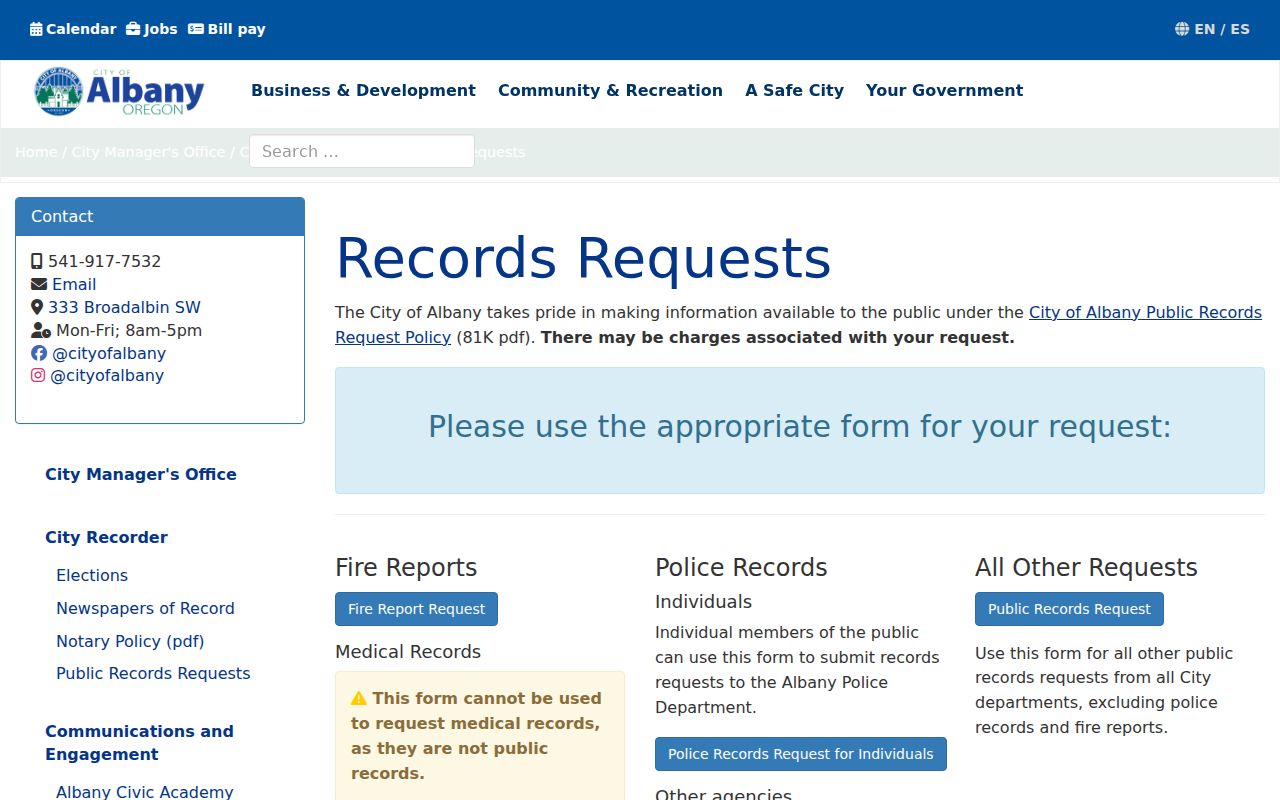
When a City record is not online, name the department, the address or date range, and the record sought before using the right request channel.
| Albany permit search field | Documented use |
|---|---|
| Permit Number or CCB License Number | Optional text criteria in Accela’s Building interface. |
| Street Name and Street # | Street-name text with numeric From and To boxes for an address-focused search. |
| Street Type and Direction | Dropdowns for standard types and NE, NW, SE, or SW direction. |
| Start Date and End Date | Optional date fields in mm/dd/yyyy format. |
Albany runs its building, planning, and public-works permits through Accela. Fewer populated fields return the best results. The City splits its permit history at two dates: November 18, 2014 marks the start of the newer records, while anything from November 17, 2014 or earlier follows the older route. Once you submit a sufficient request, the City Recorder acknowledges it within five business days. Fulfillment, denial, or a fee estimate then follows within ten more business days.
Current Albany Resident Sources
Different current resident sources answer different questions. A parcel record shows an assessed owner plus record addresses. A recorded instrument names the parties to a transaction. A court register may expose public case information. My Vote serves an elector checking their own registration. A public voter list requires a formal statutory request process. Treat each result as dated evidence with a defined scope. When a match matters, compare it against a second official source.
| Albany record source | What it can show | Custodian | Access route |
|---|---|---|---|
| Assessment account | Assessed party, parcel, situs, and possibly a distinct mailing address | Linn Assessment or Benton layer | County property channel |
| Recorded instrument | Grantor, grantee, date, reference, and legal description | Correct county recorder | Clerk route or Benton index |
| OJD court register | Public party, case number, type, status, and location | Oregon Judicial Department | Free search, terminal, or copy request |
| Business filing or license | Public filing role, entity, or credential status | Oregon SOS or issuing board | Official state lookup |
| City staff directory | City department and service contact information | City of Albany | Online department directory |
A commercial people-search site can blend sources without clear update dates or matching rules. Official records have narrower scope, but they name their custodian and access rules. For name-centered work, the Albany resident lookup route helps you cross-check county, record date, and non-name identifiers. The Oregon Business Name Search is an official entry point for entity and registry-number research.
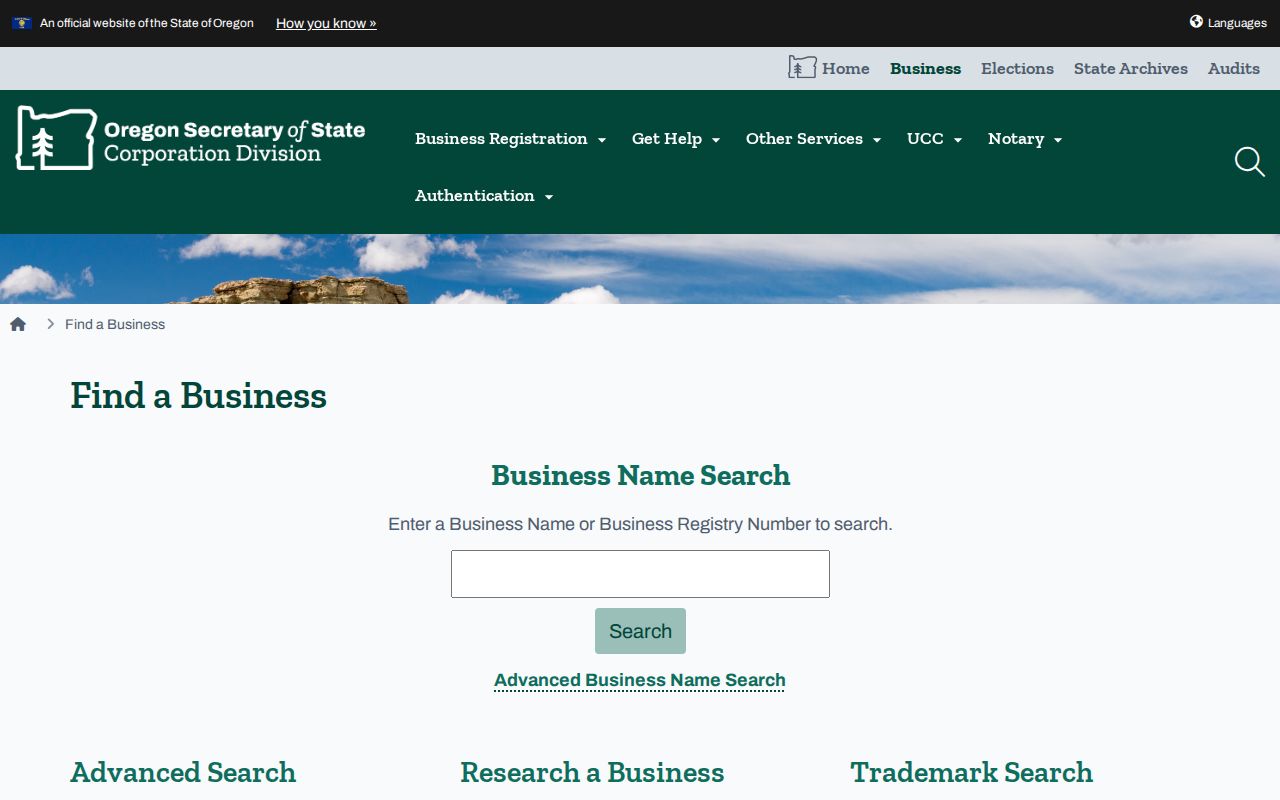
A business filing role explains an association with an entity. It does not prove where a person lives now. For a licensed credential, begin at the Oregon Business Xpress License Directory, then confirm status and date with the issuing board.
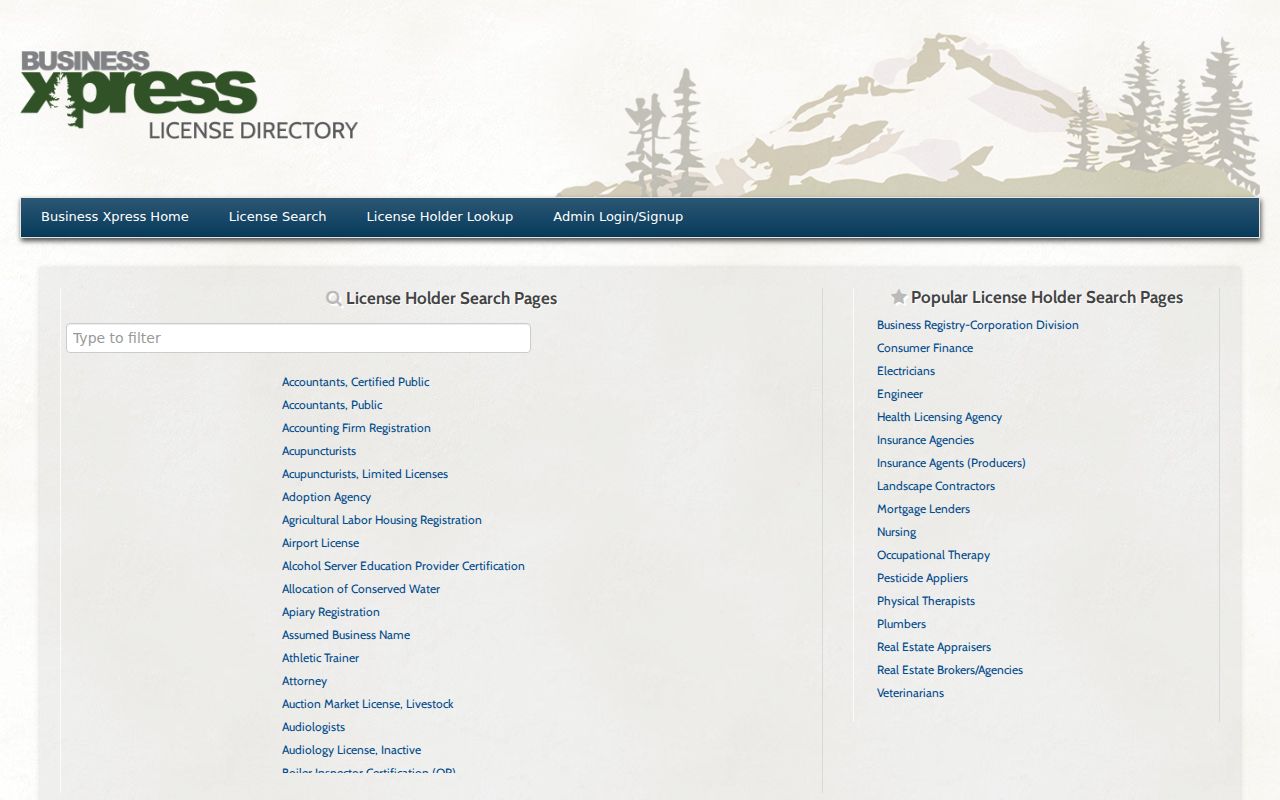
The state directory routes you to individual boards. It is not one comprehensive source for every local resident.
Albany Court Search Routes
Oregon Judicial Department offers a free statewide basic case search. Smart Search takes a case or citation number. It also accepts a party name written as Last, First. Advanced Search Options narrow by court location, search type, and filed date. Pick Linn or Benton as the location. A city name alone can flood you with same-name results. Wildcards and Sounds Like searches follow separate rules. The first 200 results are the limit. The OJD Online Records Search provides the free interface described in the court's published guide.
Free OJD results can display a case number, file date, type, status, and location. Parties, events and hearings, and financial information also appear. Filed documents and the official register are not included. Linn keeps two public OJCIN computers in Circuit Court Room 107. The Copy & Archives counter accepts a request with a case number and document. A hearing date works when the number is unknown. Albany Municipal Court runs a separate information and payment route for city and state-law offenses inside city limits. It is subject to its stated jurisdiction limits.
Albany Voter Record Limits
Oregon My Vote lets an elector check and update their own registration. Ballot status, county office, and drop-site details are there too. It is not a public name, street, or block browser. Anyone wanting a public voter list must go through the prescribed state or county request channel. Oregon's public-list rules cover defined fields. They exclude full birth date, Social Security number, driver-license number, signature, and protected program data. ORS 247.945 and 247.948 govern the public-list and protected-record rules. The state's voter-list request page describes electronic statewide and less-than-statewide requests. Oregon also restricts commercial use of elector-list information under ORS 247.955.
Historic researchers will find Linn elector registers at the State Archives. Holdings cover selected years from 1900 through 1914, a 1910 general register, alphabetical index cards, and some precinct registers. These are dated historical sources, not current registration confirmation.
Albany ZIP History
Albany uses at least ZIP codes 97321 and 97322. USPS validates delivery format by address, city and state, or ZIP. It cautions that a result does not confirm any person or company at the address. Postal geography also cannot tell you which county owns a parcel. Keep the ZIP with the record date. Get the county from the tax lot or map. The Linn County Clerk route provides the local recording and document-access path. Use it once the parcel county is confirmed.
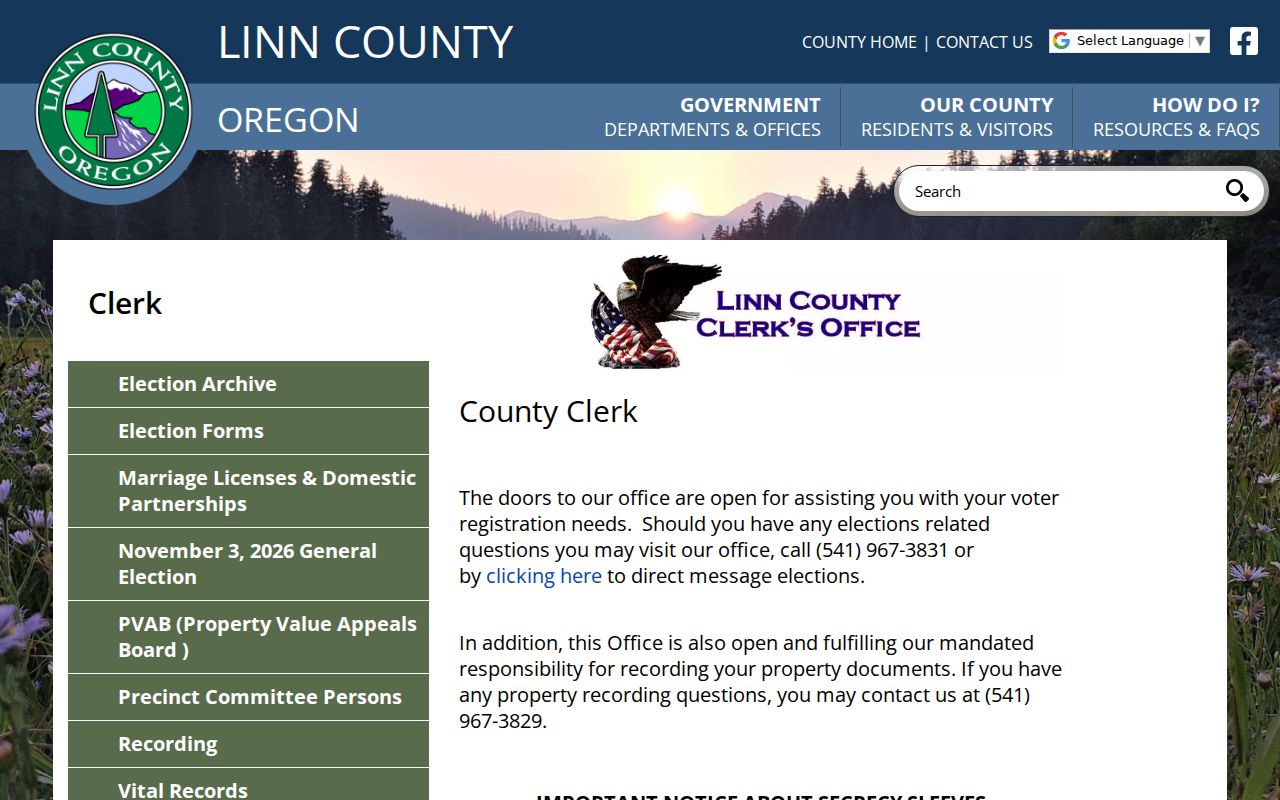
The Clerk recording route turns a parcel's county and legal description into a document request. It should not rest on an assumption based on a ZIP suffix. The USPS Postal Bulletin reports that 97322 was created on July 1, 2002. That move shifted 10,144 delivery points from 97321. So an older document showing 97321 may still match a newer address using 97322. Preserve both forms. Compare the date, and bridge the record trail with the legal description or parcel identifier. The county's recording page also publishes several channels for records that are not remotely searchable. Those include counter, written-request, mail, copy, and microfilm-research options.
Albany Safety Record Sources
Public-safety records have narrow scope. The Linn Sheriff current adults-in-custody roster updates several times a day. The default roster shows name and age. Booking photographs are not published under the state law the Sheriff cites. Oregon DOC VISOR can search people currently in custody or under supervision. Searches work by full or partial name or state or county ID. Neither source is a complete criminal-history record. The Linn current adults-in-custody roster is the right official starting point. It covers its stated current scope.
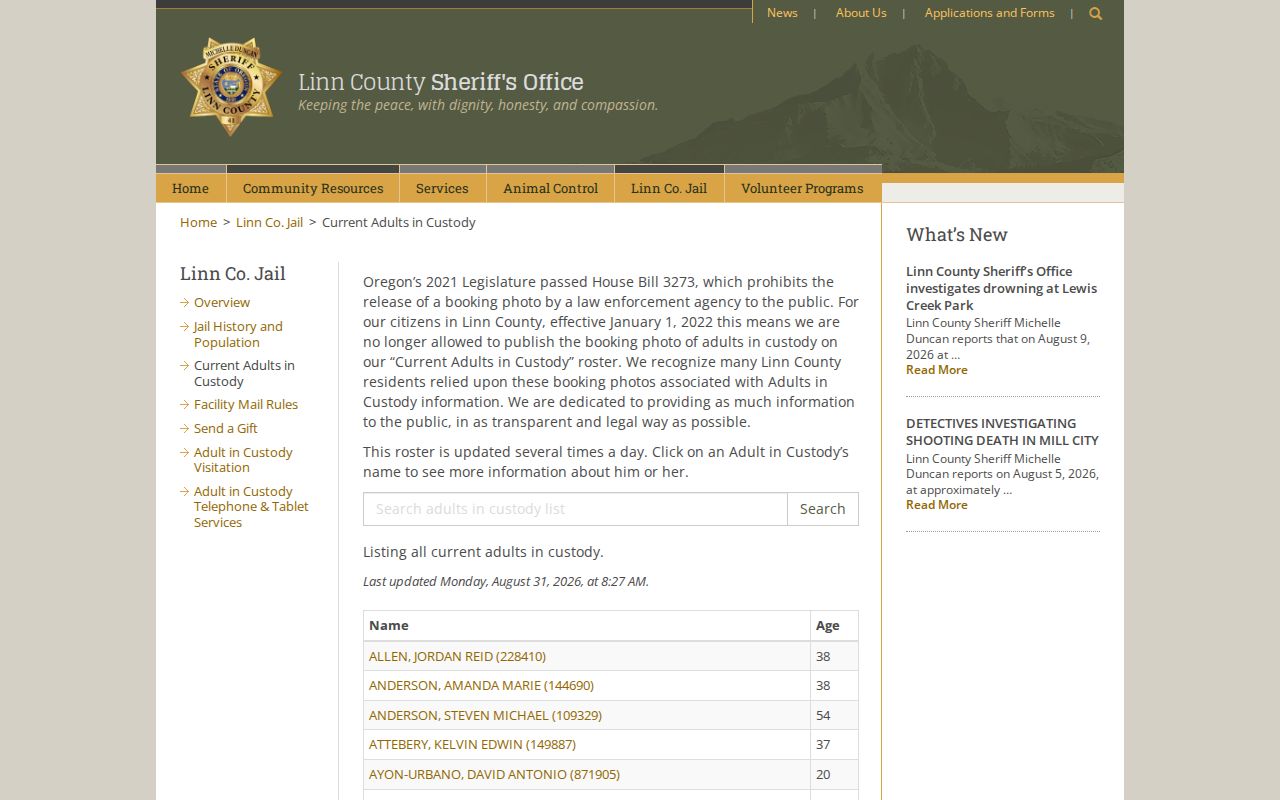
The jail roster lists only adults currently in custody. It is not a substitute for a court case file or a full criminal-history record, so treat it as one narrow slice of the picture.
For custody and supervision status across the state, the Oregon DOC VISOR search is the official route.
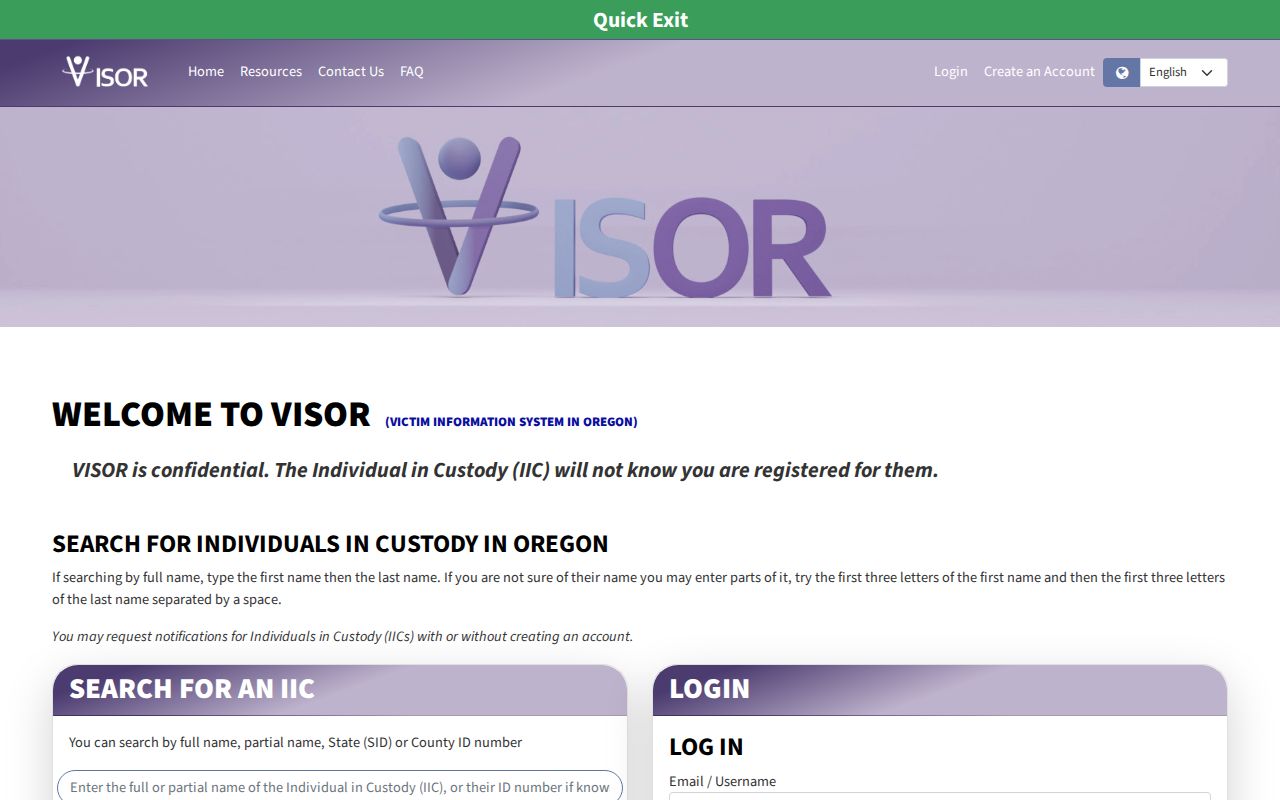
Think of VISOR as a custody and supervision tool first. Its optional notification feature alerts you to status changes. However, it does not issue an official criminal-history certificate.
The search screen accepts a full name, a partial name, or an ID number. For its part, the Oregon Sex Offender Registry publishes within a statutory scope. It carries its own advisory limits.
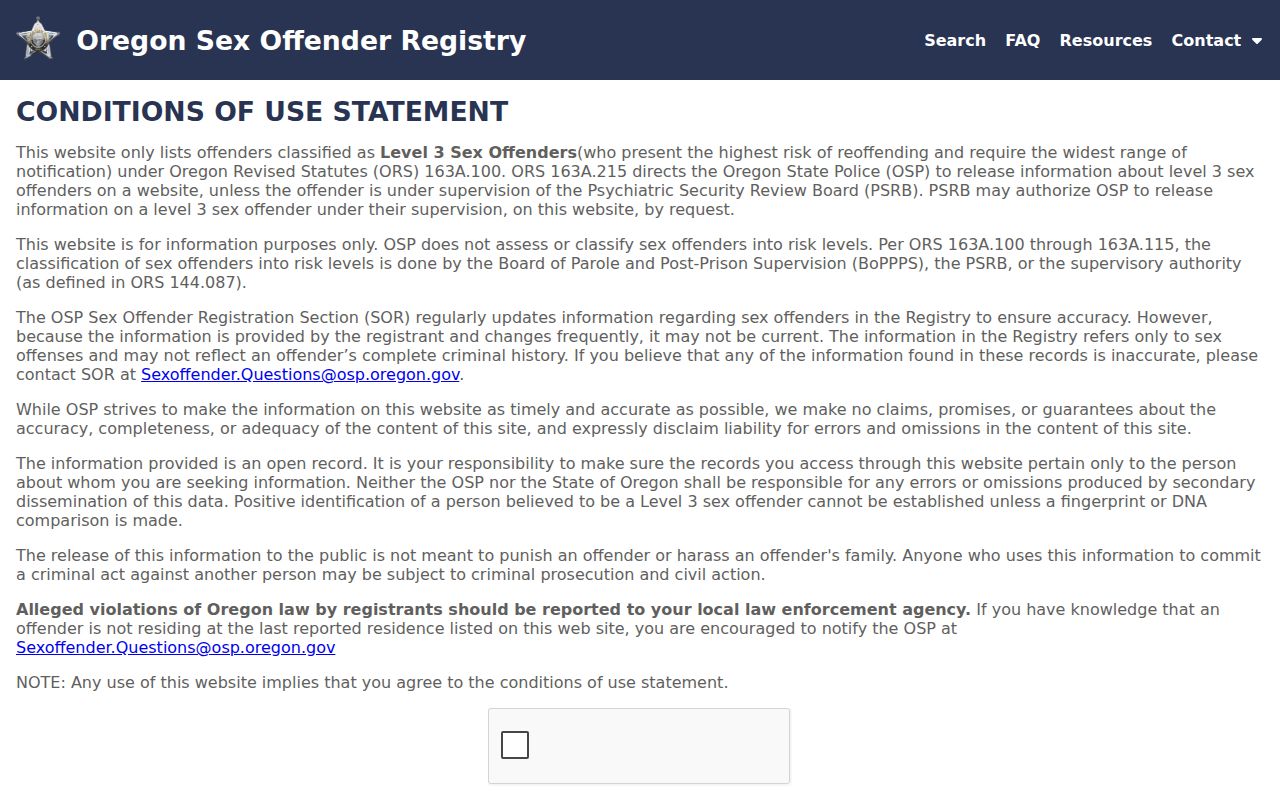
Use any public-safety result only for lawful protective purposes, and verify anything important with the responsible agency.
Albany Historical Directory Sources
Few cities the size of Albany can match its historic directory trail. The Albany Regional Museum and Albany Public Library share a combined collection of 40 digitized directories. The collection reaches back to 1878. Each PDF carries OCR. That means a reader can search for a name, street address, business, or phrase. The reader can then inspect the page image to confirm the hit. A directory from a given year can reveal who lived at an address. It may also list some telephone numbers and other local detail tied to that publication date.
Two gaps deserve attention: 1912 through 1936 and 1942 through 1946. A missing search result inside either span proves nothing. It says nothing about whether a person or household lived in Albany. The 1948 Albany Householders: Street & Avenue Guide stands apart as an address-oriented volume. For year-by-year coverage, publishers, access paths, and household tracing, take the Albany city directory collection route.
Note: City directories are dated publications. Pair any listed name or address with a deed, census, obituary, map, or other fitting source.
Albany Records When Portals Stop
Online access is just one channel. The Linn Clerk serves walk-ins with counter, computer, and microfilm access, and handles written requests by mail with copy options, depending on the series and date. Linn Circuit Court keeps public terminals and runs a Copy & Archives request process. Beyond the courthouses, the fallback paths multiply. Albany Public Library, Carnegie Library, Albany Regional Museum, the Linn Genealogical Society Tripp Reference Room, the Linn County Historical Museum, and the Oregon State Archives each hold different historical material.
Oregon Public Records Law, ORS 192.311–192.478, gives any person the right to request existing nonexempt records from the public body that owns them. A strong request names the record, the date range, and the person, address, case, or parcel involved, plus the format wanted. Under ORS 192.324, a custodian generally acknowledges within five business days. Ten more business days then bring completion, a denial, or an estimated completion date. The law does not obligate the office to build a new list or chase open-ended research.
The best offline handoff names a series and a year. A deed index book, court case number, directory volume, map sheet, or historic vital index all work. That specificity gives the custodian something actionable. It also preserves the distinction between an index lead and the original record itself.